Software Development Solutions
Industrial software and a CMMS built for manufacturers: work orders, asset registry, spare parts and preventive maintenance, so maintenance and production teams work from the same system.
Internet of Things Solutions
Sensors and gateways on your equipment feed live readings into condition monitoring, so a bearing running hot raises a work order before it stops the line.

AI & ML Development Solutions
Machine learning on your maintenance and sensor history scores each asset's reliability and flags the ones likely to fail next, so the crew fixes them on a planned shift, not a lost one.
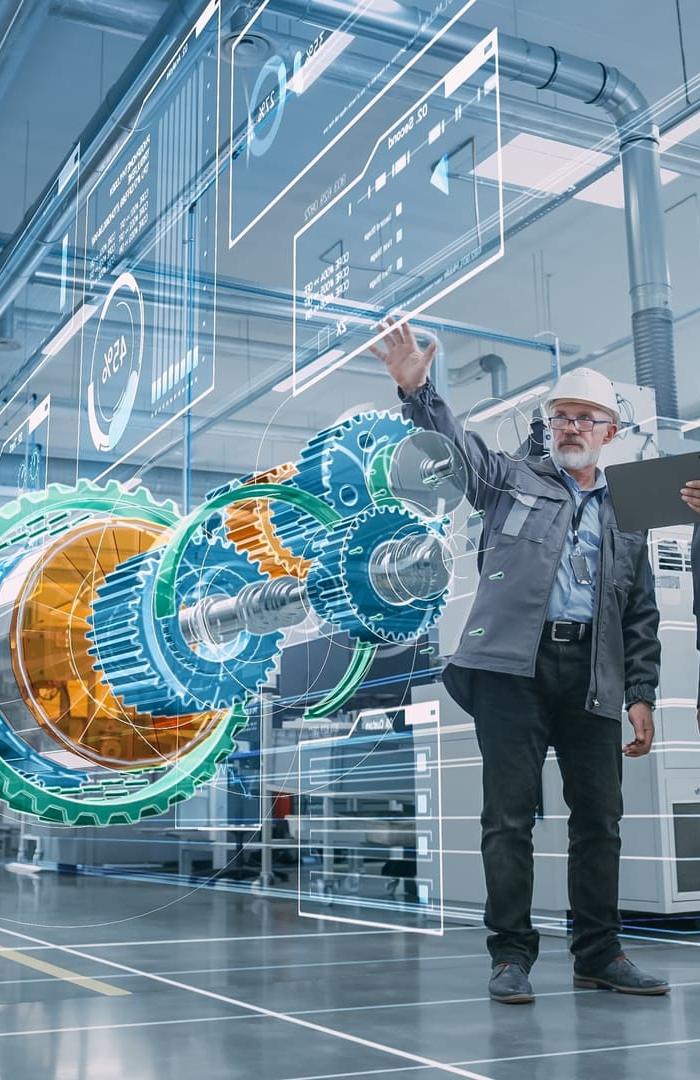
Factory Automation Solutions
PLC, SCADA and robot-cell engineering that ties machines to your maintenance and production systems, so OEE, downtime and output are measured from the line, not estimated.
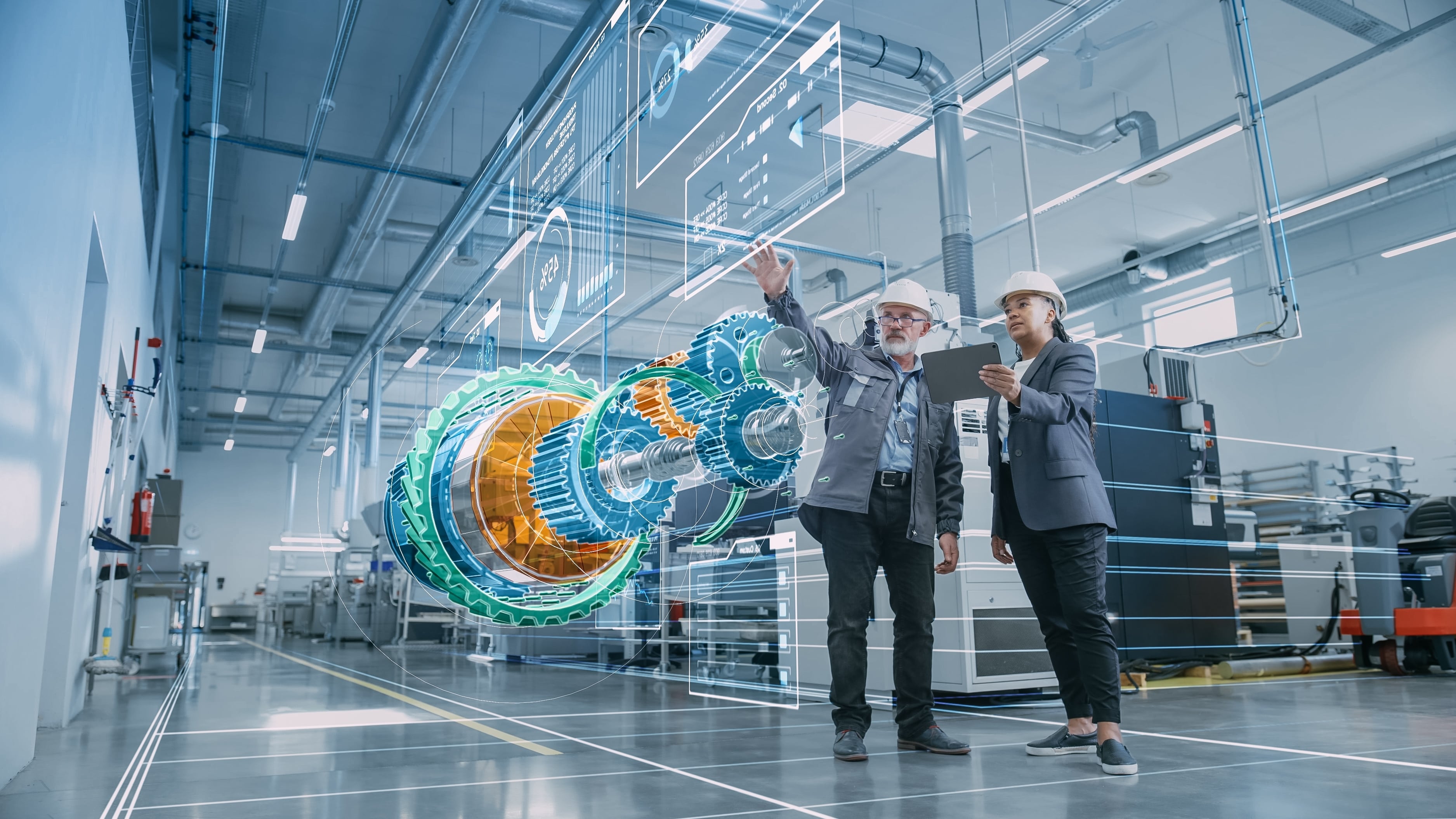
Software Development Solutions
Industrial software and a CMMS built for manufacturers: work orders, asset registry, spare parts and preventive maintenance, so maintenance and production teams work from the same system.

Application Services
Our Industrial CMMS and ERP are built for manufacturers. Uptario puts work orders, preventive maintenance, assets, spare parts and OEE in one system that maintenance and production both use, so unplanned downtime goes down and the numbers on the dashboard match what happened on the floor. Around it we do the engineering: PLC and SCADA integration, IIoT and MQTT data capture, web applications, AI-assisted predictive maintenance and embedded systems.

Solution Consulting
Help for plant and maintenance managers choosing a CMMS, ERP or asset management system. We look at your assets, your crew and the systems you already run, then recommend what fits, so you don't pay for software the technicians won't use.
Application Development
Software written for your plant that talks to the PLCs, SCADA and plant systems you already have, so the maintenance crew gets new tools without a production stop to install them.

Advanced Support
When something on the floor stops or a system misbehaves, our architects and reliability engineers get on it. We fix the immediate problem, then the cause behind it, so uptime holds and the same fault doesn't come back.





Industrial and maintenance software we know well
REGERA writes industrial software: CMMS, IIoT and factory systems, from architecture and data model through to code and commissioning. Our engineers work in JavaScript, Python, SQL, ASP and web APIs, and they build for the plant floor, where a slow screen or a lost record costs real money.

Straightforward Design
Technicians and managers read maintenance and production data off a clean, uncluttered screen. Nobody on the floor should need a training course to close a work order.
Intuitive User Experience
If the app is awkward, technicians stop using it and the data dries up. So every screen works on a phone, with big targets and few taps, for technicians of every skill level.

Accuracy
Meter readings, run hours and parts used come straight from the machines and barcode scans, not from memory at the end of a shift. Work orders, assets and spare-parts counts stay accurate, and maintenance cost becomes a number you can track.
Security for your plant floor, from assessment to daily operation
Ransomware on the office network, a vendor laptop plugged into a PLC, a remote-access tool nobody remembers setting up: this is how plants stop today. REGERA runs a security program for your production network in four steps and leaves you with a plan your own team can keep running. All of it maps to IEC 62443, the industrial automation security standard your auditors and insurers ask about.
Risk assessment and zoning
Step 1 – IEC 62443-3-2We walk your plant, list every PLC, HMI, server and network link, and work out what an attacker could reach and what it would cost you in downtime. You get a ranked list of risks and a zoning plan that says which systems to protect first.
Network segmentation and remote access
Step 2 – Zones and conduitsWe split the production network into zones, put a controlled gateway between office IT and the plant, and replace ad hoc vendor remote access with one monitored door. Office malware stays off the line, and suppliers still get in when a machine needs support.
Hardening and access control
Step 3 – IEC 62443-3-3, SL 1–4We lock down PLCs, HMIs, engineering stations and servers: who can log in, what they can change, which patches go on and when. Each zone is set to the security level it needs, so a maintenance tech isn't blocked but a stranger is.
Monitoring and incident response
Step 4 – IEC 62443-2-1We watch the plant network for new devices and unusual traffic, and write an incident plan with your team that says who does what in the first hour. We rehearse it with you, and the records stay ready for an audit.
What the program covers: the eight IEC 62443 security requirements, in plain terms
Start with the assessment, or bring us in at any step. Read the full program.
Custom Solutions
Every plant runs a little differently, so we start on the floor: how the line runs, what breaks, which systems are already in place. Then we build what fits, whether that's a CMMS rollout, an IIoT retrofit, SCADA screens or PLC integration. We work with the platforms you already have and move legacy systems over without a production stop.

ERP Solutions
Uptario ERP covers production planning and MRP, procurement, suppliers, sales pipeline and finance. It shares data with the CMMS, so spare-parts spend and machine capacity show up in plans and budgets without re-keying. Where Odoo, Dynamics 365 or SAP is already in place, we integrate with it.
Web Portals
Web portals give suppliers, customers and contractors one login to the parts of your system they need and nothing else. Role-based access and an audit trail keep plant data where it belongs, and nobody has to email spreadsheets around.
Cloud Services
We host Uptario and custom applications in the cloud, or on your own servers if plant policy requires it. Hosting is sized to your plants, backed up, monitored, and grows as you add sites or users.
IoT
We've been wiring plant equipment to software since the company started. Sensors, gateways, QR and barcode scanners and RFID tags feed run hours, temperatures, vibration and counts into the CMMS over MQTT and OPC-UA, so condition monitoring runs on live readings instead of clipboard rounds.
AI
We use AI where it pays for itself on the floor: reliability scoring from failure history (MTBF, MTTR, availability), anomaly detection on sensor data, and a planner that turns PM schedules into work orders on their due date. The goal is fewer surprise breakdowns, not a chatbot.
Embedded Systems
For equipment that needs firmware rather than a server, we write embedded software for data acquisition, closed-loop control, algorithm acceleration and motor controllers, on hardware with tight limits on memory, power and timing. It has to run for years without a reboot.
SCADA Solutions
SCADA and HMI screens give operators live control of the process: alarms, trends, setpoints and interlocks in one place. We build on Ignition and similar platforms and tie SCADA tags to the CMMS, so a fault on the line can raise a work order by itself.
PLC
Our PLC engineers program and commission control logic on Siemens and Rockwell platforms, from I/O mapping to start-up on the line. That includes turnkey robot cells and bringing new equipment onto an existing plant control network without disturbing what's already running.
The industrial systems we engineer
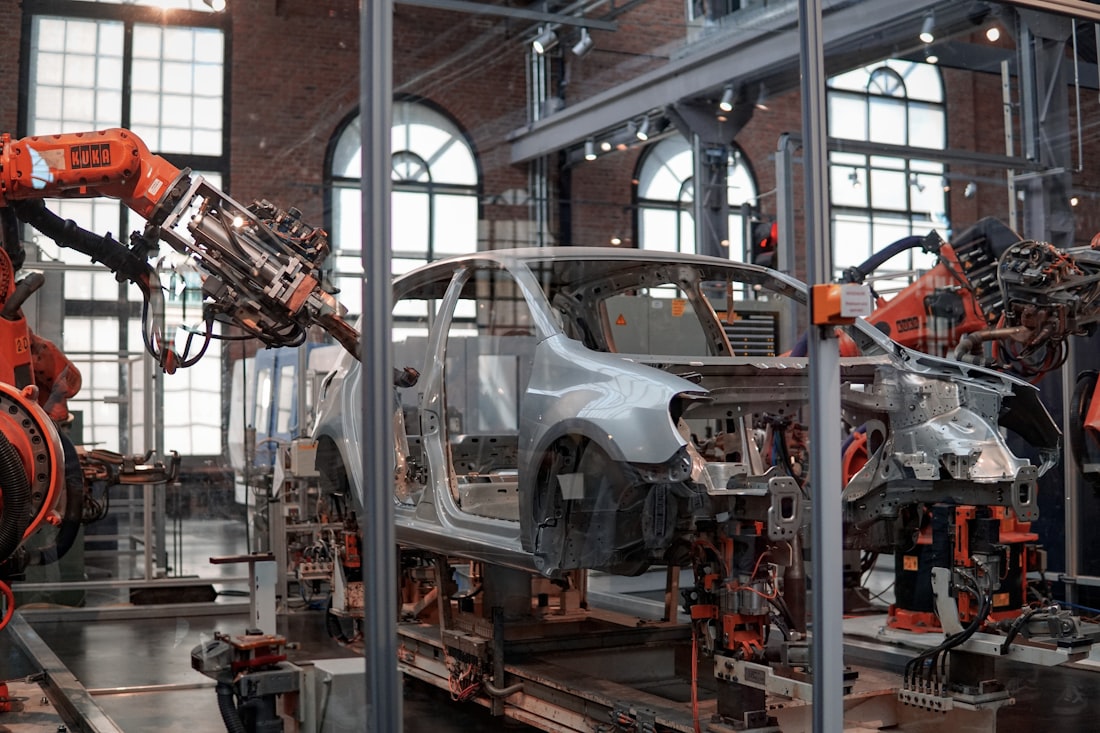
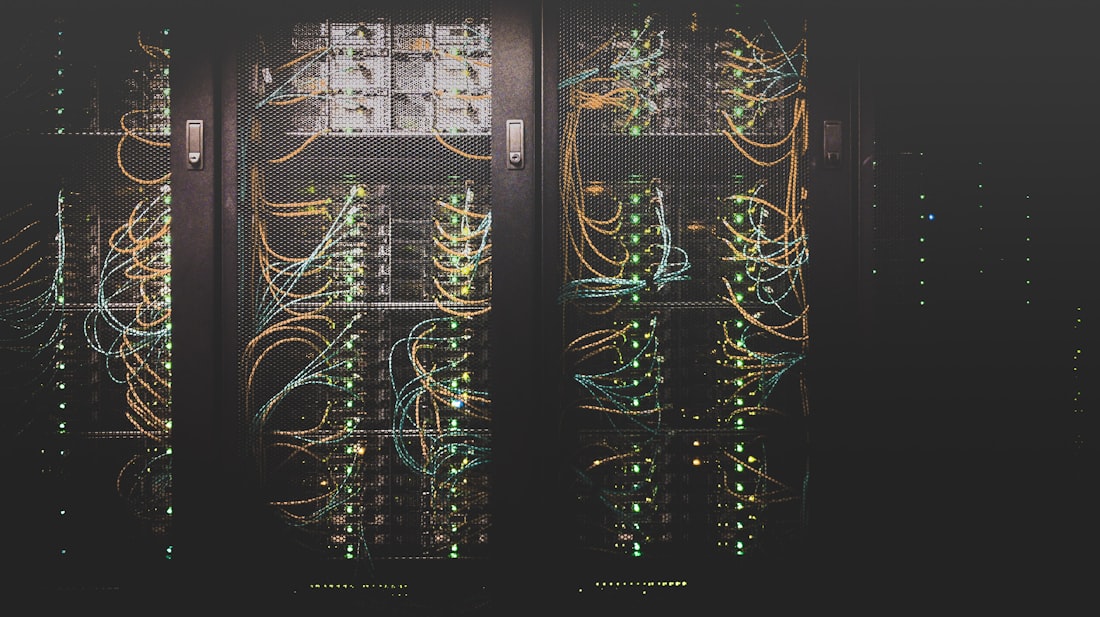
PLCs, SCADA and plant-wide industrial networking: the control and connectivity layer that keeps equipment running and gets production data off the machines.
Engineering from the controller to the ERP
PLC logic, SCADA screens, plant networks, data pipelines and the security around them. We build the layers that keep the line running and get its numbers to the people who need them.
PLC Programming & Control Systems
Control logic designed, programmed and commissioned on Siemens and Rockwell platforms, from I/O mapping to start-up on the line.
SCADA & HMI Development
Operator screens and supervisory control that give the floor live command of the process. Most of our SCADA work is on Ignition.
MES Integration
The shop floor connected to your business systems, so work orders, genealogy and production counts flow without anyone re-keying them.
OEE & Production Monitoring
Real-time performance dashboards that turn availability, quality and speed losses into numbers your team can act on this shift.
Industrial Data Streaming
MQTT, Kafka and RabbitMQ pipelines that carry plant data from the edge to the CMMS, the historian or the cloud without dropping readings.
ERP Integration
OT data bridged into SAP, Dynamics, Odoo and other enterprise systems, so planning and finance work from what the plant actually produced.
IT/OT Security
Network segmentation, secure remote access and OT hardening that protect control systems without slowing production down.
Industrial Networking
Profinet and Ethernet/IP plant networks designed so every machine on the floor talks on time, every cycle, and keeps talking if a switch fails.
Robotics Integration
Robot cells integrated into your lines and control systems, with the safety circuits, interlocks and handshakes proven out before production.
Services built around how your plant runs

Factory Automation
PLC and SCADA engineering for new and existing lines: control logic, HMI screens, robot cells, safety interlocks and the industrial networks that tie them together. Commissioned on site and connected to your maintenance and production systems.
What you get: Commissioned control logic, HMI screens, I/O lists and as-built drawings. Call us when a new line is coming in, or an old panel has nobody left who understands it.
CMMS and ERP rollout
Selection, setup and rollout of the applications a plant depends on: CMMS, ERP, MES and the connectors between them. We configure them around your assets and workflows, migrate your data and train the crew, so the system is in real use from week one.
What you get: A configured system, your asset and PM data migrated, a trained crew and a go-live plan per plant. Call us when the PM program lives in a spreadsheet or the old CMMS is ignored.
Preventive & Predictive Maintenance
Get the crew out of firefighting mode. We set up preventive schedules, trigger condition-based work orders from sensor data and track equipment health week by week. That cuts unplanned downtime, stretches asset life and keeps the plant ready for an audit.
What you get: A 52-week PM plan per machine, condition thresholds on the assets that matter and a weekly equipment-health report. Call us when every week starts with a breakdown.
Software Engineering
Custom industrial software written to your plant's spec: CMMS extensions, integrations with PLCs, SCADA and ERP, reporting, and mobile tools for technicians. Our engineers have shipped systems that run on live production lines, and we build with that responsibility in mind.
What you get: Working software, its source code and the documentation to run it without us. Call us when the tool you need doesn't exist or the one you have can't talk to the plant.
IT Consulting
An independent look at the systems your plant already runs, what's missing and what's costing you. You get a written plan with priorities, costs and sequence that you can act on, whether we build it or somebody else does.
What you get: A written plan with priorities, costs and sequence. Call us before you sign for a new system, not after.
Quality Assurance
Testing of industrial software before it touches a running line: functional tests, integration tests against real PLC and ERP data, load tests and acceptance runs with your own operators. Defects get found in the test cell, not in the middle of a shift.
What you get: A test plan, the test results and sign-off runs with your operators before go-live. Call us before an update goes onto a line that can't afford a bad one.
Managed IT Services
Day-to-day care of the servers, networks and applications your plant relies on: patching, backups, monitoring and user support, with OT safety in mind. Your in-house team keeps its focus on production while we keep the systems up.
What you get: Patched servers, tested backups, monitored networks and a help line for your users. Call us when the plant's IT is one person who also runs everything else.
DevOps
Build pipelines, automated tests and controlled releases for your industrial software, so an update to a CMMS or SCADA integration goes out on schedule and rolls back cleanly if it has to. Fewer late-night deployments and fewer surprises on the floor the next morning.
What you get: Build and release pipelines you own, with automated tests and a rollback path. Call us when releases happen at night and nobody is sure what changed.
Engineers on your team
REGERA engineers who join your team for a defined stretch: a PLC programmer for a commissioning, an integration developer for an ERP connector, a reliability engineer to set up a PM program. They work in your tools, on your priorities, and hand over documented work.
What you get: A named engineer for a defined period, working in your tools, with a documented handover at the end. Call us when the project is real but the hire isn't.
Not sure which one fits? Describe the problem and we'll say which it is.
Talk to an engineerFrequently asked questions
What manufacturers ask us before rolling out Uptario — scope, fit, support, and who owns the software.
Who is Uptario for?
Manufacturing plants with a maintenance crew and equipment that costs money when it stops. It runs one site or a group of sites under one account, and we work with plants in the US Midwest and the Gulf, on site and remote.
What’s the difference between Uptario CMMS and Uptario ERP?
The CMMS runs maintenance: work orders, PM schedules, assets, spare parts, condition monitoring and OEE. The ERP runs the business side: production planning, purchasing, suppliers, sales and finance. They share one database, and you can start with the CMMS alone.
We already run an ERP. Do we have to replace it?
No. Uptario CMMS connects to SAP, Dynamics 365 and Odoo, and we build the connector. Uptario ERP is for plants that have no ERP or run the business side on spreadsheets.
What’s included in your technology suite?
Uptario CMMS covers work orders, a 52-week preventive-maintenance program, asset registry, spare parts, IIoT condition monitoring, a mobile technician app, OEE dashboards and multi-site support. Uptario ERP adds production planning and MRP, procurement, suppliers, sales pipeline and finance. It runs a single plant or a group of sites.
What’s the user experience like?
Plain. A technician opens the work order, ticks the checklist, scans the part and closes it, on a phone, with gloves on. Managers get dashboards that don't need a training session to read. If a screen needs a manual, we treat that as a bug.
Why choose REGERA?
Because we build for the plant floor, not the boardroom. Uptario combines a CMMS, an ERP and the PLC, SCADA and IIoT engineering that connects them, so the numbers you see for OEE, downtime and maintenance cost come from the equipment itself, not from estimates.
Can you tailor your technology to meet my business’s needs?
Yes. We configure Uptario around your assets, PM schedules and existing systems, and extend it where a workflow needs it. We work with your maintenance team through the rollout, so the result fits the way the plant actually runs.
Can you bring in the data we already have?
Yes. Asset lists, PM schedules and parts catalogs from spreadsheets or another CMMS are imported and checked with your team before go-live, so nobody re-keys a plant by hand.
How’s your support?
Phone support is live 24/7. When something breaks you talk to an engineer who knows your installation, not a ticket queue, and we tell you what we found and when it'll be fixed.
Who owns the software once it’s made?
You do. Any custom software we write for you is yours, source code included, along with the executables needed to run it. You can build, maintain, run and extend it yourself, with us or with someone else.
What we build on
PLC & Controllers
SCADA & HMI
Industrial Networking
Business systems we integrate
Data & messaging
Software behind Uptario
Cloud & hosting
From the Insights library
Short reads on industrial maintenance, IIoT and Smart Factory systems, from predictive maintenance to ERP on the plant floor.
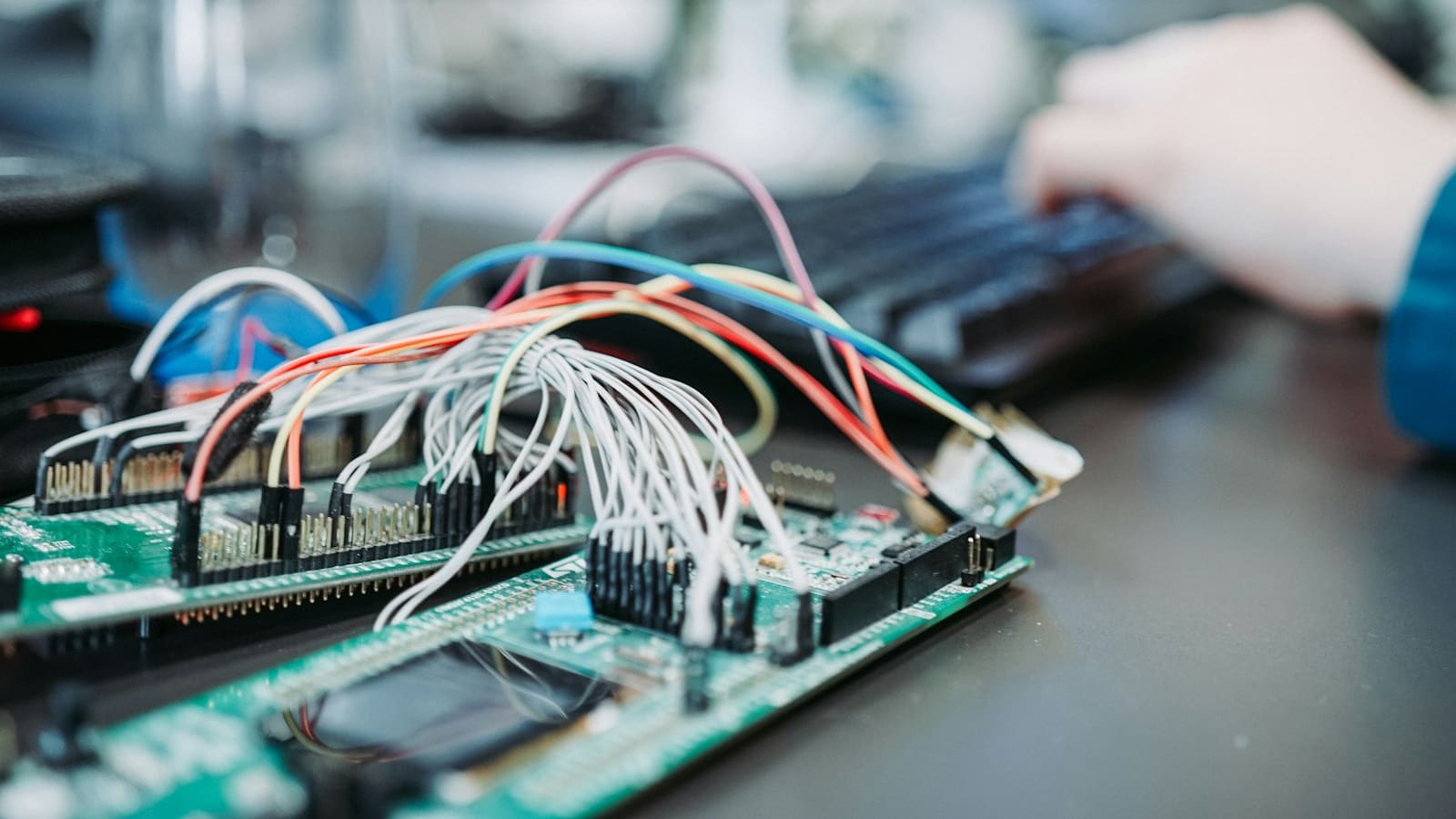
IoT Solutions: Benefits and Use Cases for Manufacturers
Industrial IoT turns raw machine signals into decisions: live readings that cut unplanned downtime and extend asset life.
Read more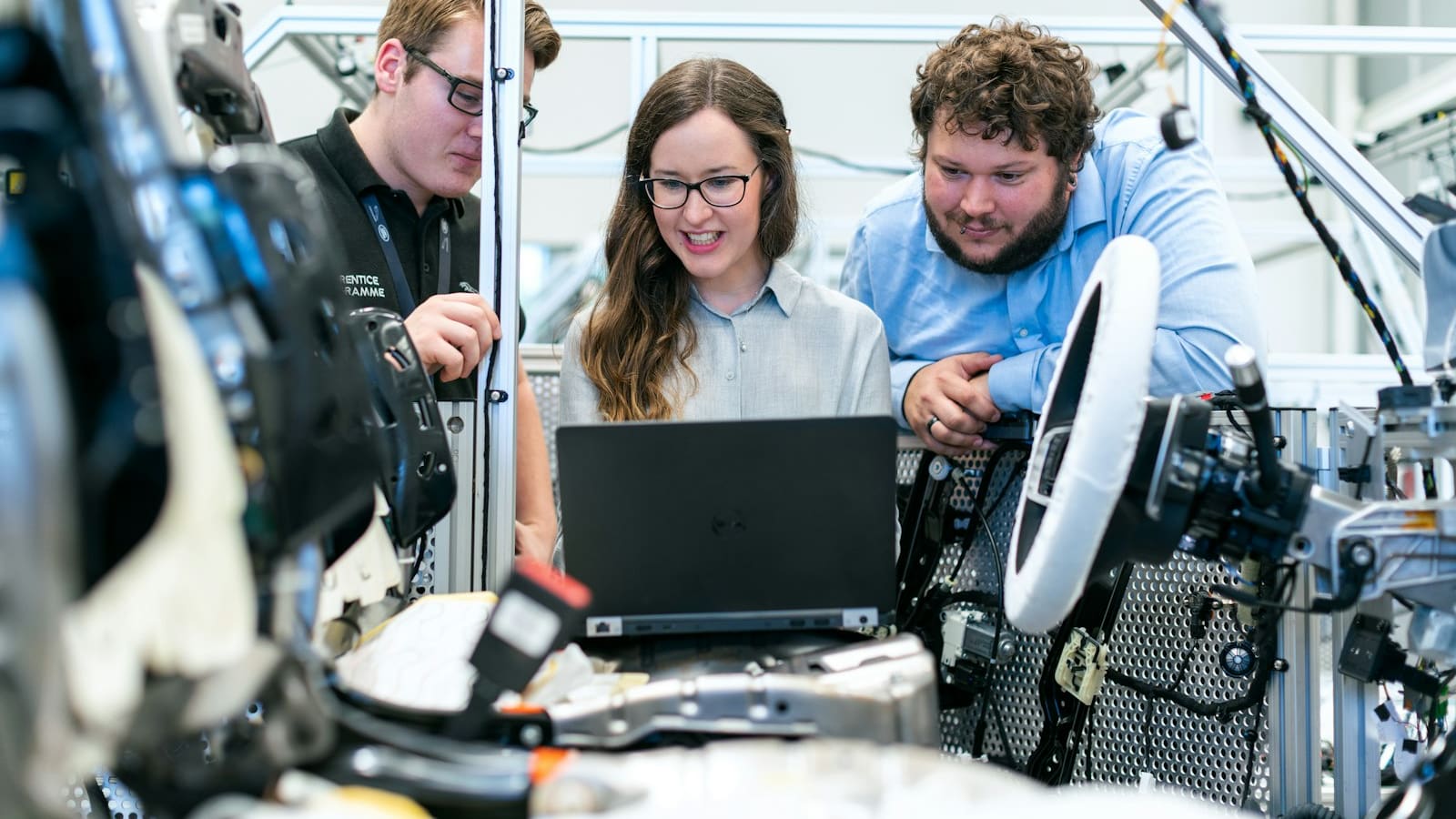
AI in Manufacturing: Predictive Maintenance and Its Challenges
AI lets manufacturers move from preventive to predictive maintenance by forecasting failures before they happen.
Read more
ERP for Manufacturing: Use Cases and Design Challenges
When ERP and maintenance data share one source of truth, production, inventory, and asset management align around measurable goals.
Read moreOne platform for maintenance, production and machine data
Work orders, preventive maintenance, sensor readings and OEE in one system that works on the plant floor and rolls up across every site.
Contact Us
Tell us about your plant and what you're trying to fix. Fill in the form or email us, and an engineer from the team will get back to you.
